

Google rolled out a major spam update in September 2026, and many website owners felt it. Rankings dropped overnight. Traffic fell off a cliff. Some businesses lost half their enquiries in a week. If your website took a hit, this guide explains what the Google September 2026 spam update changed, how to check if you were affected, and the exact steps to recover.
Furthermore, we cover realistic timelines, because recovery from the Google September 2026 spam update takes patience and honest work.
What Was the Google September 2026 Spam Update?
The Google September 2026 spam update was a broad algorithm update targeting spammy practices across the web. Google confirmed a 14-day rollout, and the SEO community reported several volatility waves during that period. Unlike a core update, which re-evaluates overall quality, a spam update specifically hunts for tactics that break Google’s spam policies. Furthermore, Google reported a spike in manual actions during the rollout. Consequently, some businesses received direct notifications in Search Console while others simply watched their rankings slide.
What the Update Targeted
The Google September 2026 spam update went after several clear patterns: thin content pages with little real value, scaled AI content published without human review, spammy link tactics like paid links and link schemes,
misleading structured data such as fake review markup,
and expired domain abuse.
How to Check If You Were Hit
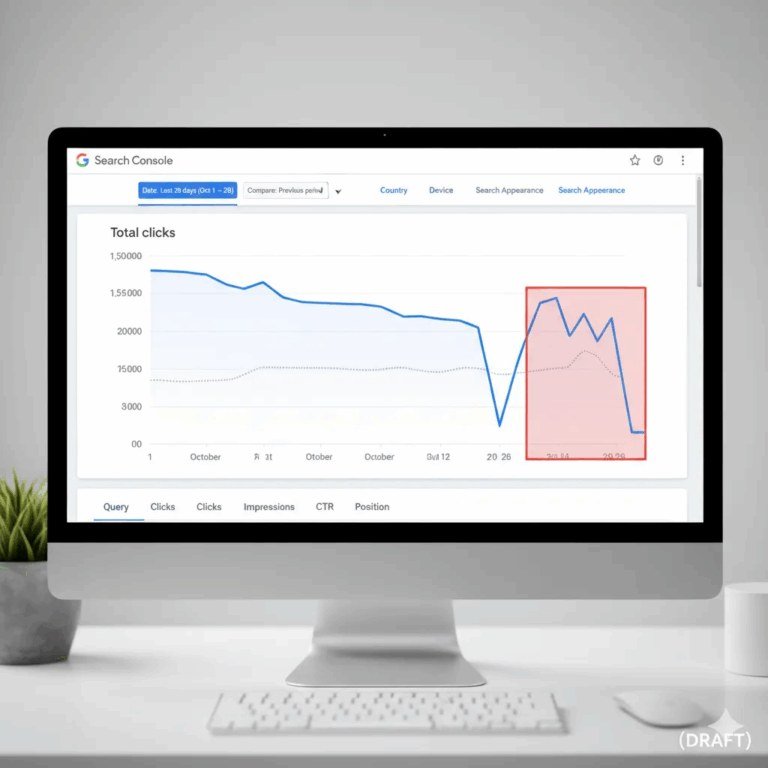
Before you panic, confirm the update actually caused your drop. Check Google Search Console for a sharp traffic fall matching the rollout dates. Then check the Manual Actions report under Security and Manual Actions. A sitewide drop that lines up with the update is a strong signal. Finally, rule out technical issues like broken migrations or accidental noindex tags. Our guide on why competitors outrank you on Google helps you run this check properly.
Recovery Steps That Actually Work
- Run a Full Content Audit. List every page on your site. For each one, ask: does this page genuinely help a visitor? Mark thin, duplicated, or auto-generated pages for improvement or removal.
- Improve or Remove Thin Pages. Improve weak pages with real, useful content, or remove them. If you remove pages, redirect them properly to relevant live pages.
- Demonstrate E-E-A-T. Add author bios with credentials, include original photos from real jobs, and write about your actual experience. Moreover, display reviews and awards prominently.
- Clean Up Your Link Profile. Check your backlinks for spammy directories and disavow the worst offenders. In addition, stop any link schemes immediately.
- Fix Structured Data Issues. Make sure your schema markup matches what visitors actually see. Remove fake review markup.
- Publish Genuinely Helpful Content. Every new page should answer a real customer question better than competing pages do. In addition, update your best old content regularly.
- Be Patient and Track Progress. Note your traffic, rankings, and enquiries each month. Therefore, keep a log of every change you make.
Realistic Recovery Timelines
Recovery takes months, not days. For most small businesses, expect 3 to 6 months before meaningful recovery. Furthermore, recovery usually happens during a future update, when Google re-evaluates your site. Anyone promising to recover your site in a week is selling snake oil.
How to Protect Your Site From Future Updates
Publish original content based on real experience. Earn links naturally. Keep your technical SEO clean. Avoid shortcuts, because every shortcut eventually becomes a target. Build your email list, stay active on social media, and collect Google reviews. If your lead flow depends entirely on organic traffic, read our guide on why your website is not getting leads.
Frequently Asked Questions
What is the Google September 2026 spam update?
The Google September 2026 spam update was a broad algorithm update targeting spam tactics like thin content, scaled AI content, link schemes, and misleading structured data. It rolled out over 14 days with several volatility waves.
How do I know if the spam update hit my site?
Check Google Search Console for a traffic drop matching the rollout dates. Also check the Manual Actions report.
Can I recover from a Google spam update?
Yes. Audit your content, remove or improve thin pages, demonstrate E-E-A-T, clean up spammy links, and publish genuinely helpful content. However, recovery typically takes 3 to 6 months.
Does AI content always get penalised?
No. Google penalises low-quality scaled content, whether written by AI or humans. AI-assisted content that is reviewed, edited, and genuinely helpful is fine.
Conclusion
The Google September 2026 spam update was a clear message: shortcuts do not work anymore. The path back is straightforward but slow: audit honestly, cut the weak pages, show real expertise, and publish content that truly helps your customers. For a full picture of strong SEO in 2026, see our SEO cost guide for Australia.