
When someone in your service area needs a plumber, electrician, roofer, or any other trade service, what do they do? They pull out their phone and search. And what they see first is not your website. It is the Google Maps pack: three local businesses with star ratings, right at the top.
If you are not in those top three spots, you are invisible to most of those searchers. They will call one of the businesses they can see. It is that simple, and that brutal.
The good news is that ranking on Google Maps is not about who spends the most money. It is about who does the fundamentals consistently well. This guide covers exactly what tradies need to do in 2026 to rank higher and win more local jobs.
Why Google Maps Matters More Than Your Website
Let us get the priority straight. For a local trade business, your Google Business Profile (the listing that powers the Maps results) is more important than your website for generating enquiries.
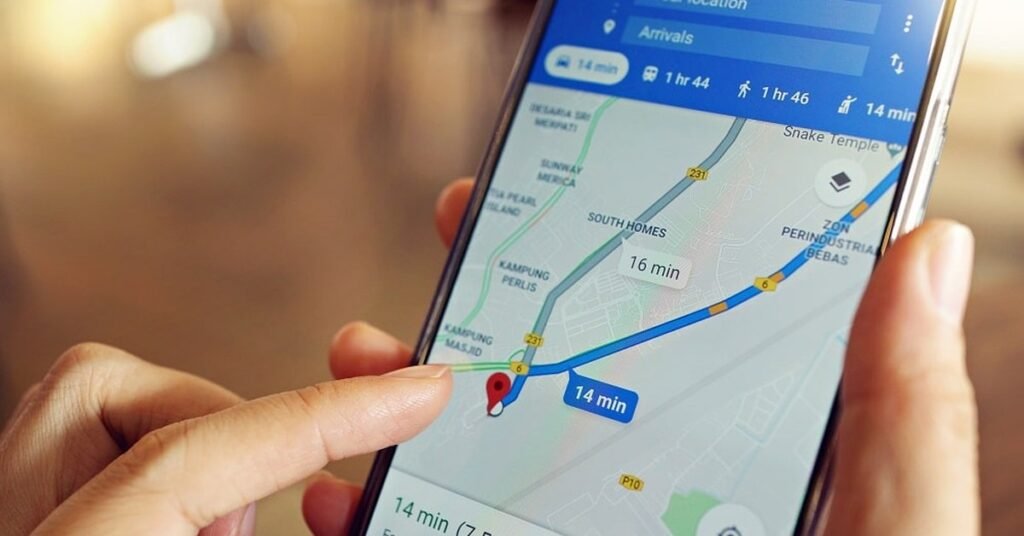
Here is why. When someone searches “plumber near me” or “roof repair Brisbane,” Google shows the map pack before organic results. On mobile, which is where most of these searches happen, the map pack can take up the entire first screen. The user sees three businesses with ratings, hours, and a call button. Most will tap one of those three without ever scrolling down to the websites below.
Your website still matters for conversions and credibility. But for getting found in the first place, Maps is the battleground.
The Three Pillars of Local SEO
Google has confirmed that local SEO rankings depend on three things: relevance, distance, and prominence. You cannot change your distance from the searcher, but you can absolutely influence relevance and prominence.
Relevance means how well your listing matches what the person searched for. If they search “emergency electrician” and your profile clearly lists emergency electrical services, you are relevant.
Prominence means how well-known and trusted your business appears. This comes from reviews, citations across the web, backlinks, and overall online presence.
Everything in this guide feeds into one or both of these.
Step 1: Claim and Complete Your Google Business Profile

If you have not claimed your Google Business Profile yet, stop reading and do it now. It is free, it takes 20 minutes, and it is the single highest-impact thing on this list.
Once claimed, complete every single field:
Business name: Use your real business name. Do not stuff keywords into it (Google penalizes this).
Categories: Choose the most specific primary category. A “Roofing Contractor” will outrank a generic “Contractor” for roofing searches. Add all relevant secondary categories.
Services: List every service you offer, with descriptions. Be specific. “Hot water system installation,” “Blocked drain clearing,” “Switchboard upgrades.” Each service you list is another search term you can match.
Hours: Set accurate hours, including special hours for public holidays. Nothing frustrates customers more than calling a “closed” business that Google said was open.
Photos: Upload real photos. Not stock images. Photos of your team, your vans, your completed work, before-and-after shots. Businesses with photos get significantly more calls. Aim for at least 20-30 quality images.
Description: Write a clear description of what you do and where you do it. Include your main service area suburbs naturally.
Attributes: Fill in everything relevant: women-led, veteran-led, LGBTQ+ friendly, wheelchair accessible, whatever applies. These help you appear in filtered searches.
Step 2: Get Reviews Systematically

Reviews are the lifeblood of local SEO. They directly influence your map pack ranking, and they are often the deciding factor when a customer chooses between you and a competitor.
The businesses dominating Maps in your area almost certainly have more reviews than you, and better ratings. This is fixable, but it requires a system, not just hoping customers leave reviews on their own.
Ask every happy customer. Not some of them. Every single one. The best time is right after you finish the job, while they are pleased with the work. Have a simple process: send a text message with a direct link to your Google review page.
Make it easy. Create a short review link (Google provides one in your Business Profile dashboard). Put a QR code linking to it on your invoices. The fewer steps, the more reviews you get.
Respond to every review. Thank people for positive reviews. Address negative reviews professionally and offer to make things right. Google notices when businesses engage, and potential customers definitely read your responses.
Never buy fake reviews. Google is very good at detecting them, and the penalty is severe. One batch of fake reviews can get your listing suspended. It is not worth it.
Aim for a steady flow rather than a sudden burst. Ten new reviews per month beats fifty all at once followed by nothing.
Step 3: Build Local Citations
Citations are mentions of your business name, address, and phone number (NAP) on other websites. Directories, industry sites, local business listings. They help Google verify that your business is real and establish where you operate.
Consistency is everything. Your business name, address, and phone number must be identical everywhere. “123 Smith St” on one site and “123 Smith Street” on another creates confusion. Pick one format and use it everywhere.
Start with the major directories: Google Business Profile, Bing Places, Apple Maps, Yelp, Yellow Pages (yes, still relevant for local SEO in Australia), True Local, and industry-specific directories for your trade.
Do not ignore niche directories. Sites specific to your trade or your city carry extra weight. A plumber listed on a plumbing industry directory sends a stronger relevance signal than a generic listing.
If you want help building quality citations and backlinks systematically, our link building services cover exactly this.
Step 4: Create Location-Specific Pages on Your Website
If you serve multiple suburbs or regions, you need a page for each major service area. Not duplicate pages with the suburb name swapped, but genuinely useful pages.
Each location page should include:
- The specific services you offer in that area
- Local landmarks, suburb names, and areas you cover
- Testimonials from customers in that suburb
- Photos of work done in that area
- A clear call to action with your phone number
These pages help you rank for searches like “electrician [suburb name]” and they give Google strong relevance signals for your service areas.
Do not create hundreds of thin suburb pages with near-identical content. Google’s spam updates specifically target this. A smaller number of genuinely useful location pages beats a large number of thin ones.
Step 5: Keep Your Website Fast and Mobile-Friendly
Most local searches happen on phones. If your website takes more than three seconds to load on mobile, a huge percentage of visitors will leave before it even renders. And Google uses page speed as a ranking factor.
Test your site with Google’s PageSpeed Insights. If your mobile score is below 70, you have work to do. Common fixes include compressing images, removing unused plugins, and choosing faster hosting.
Your phone number should be clickable (tap to call) and visible without scrolling on mobile. Your quote form should be short. Every extra field reduces conversions.
Step 6: Post Updates to Your Business Profile
Google Business Profile has a Posts feature that many tradies ignore. You can post updates, offers, completed jobs, and announcements directly to your listing. These show up when people find you on Maps.
Post at least twice a month. Share a recently completed job with photos. Announce a seasonal offer. Share a helpful tip. This signals to Google that your business is active, and it gives potential customers more reasons to choose you.
Step 7: Track What Matters
Do not obsess over vanity metrics. Track what actually generates jobs:
Calls from your Business Profile: GBP insights show how many people called directly from your listing.
Direction requests: People asking for directions are high-intent.
Website clicks from Maps: Track these separately from other traffic.
Ranking positions: Check where you rank for your main keywords in your service area (use incognito mode or a rank tracker, since results are personalized).
Review these monthly. If something is not improving after three months of consistent effort, change your approach.
Common Mistakes Tradies Make
Keyword-stuffing the business name. Adding “Best Cheap Plumber Sydney” to your business name might work briefly, then Google suspends your listing. Use your real name.
Ignoring the profile after claiming it. An incomplete, outdated profile with three photos and no posts signals neglect. Google and customers both notice.
One website page for all locations. If you serve 20 suburbs but only mention them in a footer list, you are leaving rankings on the table.
No review system. Hoping for reviews is not a strategy. You need a process.
Slow, outdated website. Your GBP gets them interested. Your website closes the deal. If it looks like it was built in 2015, they will call your competitor.
How Long Does It Take?
Be honest with yourself: local SEO is not instant. If your profile is new or neglected, expect 2-3 months of consistent work before you see significant movement. Competitive markets take longer.
But the effort compounds. Each review, each citation, each completed profile field builds on the last. Businesses that commit to the process pull away from competitors who do it sporadically.
Get Started This Week
You do not need to do everything at once. This week, do three things: complete your Business Profile fully, set up a review request system, and check your NAP consistency on the top five directories.
Next week, tackle location pages. The week after, start posting updates.
Consistent action beats perfect planning. Start now.
About Khani Groups: We specialize in SEO services for Australian trade and service businesses. From Google Business Profile optimization to full local SEO campaigns, we help tradies get found and get hired. Get in touch for a free local SEO audit.